How to Plan a Successful Children’s Festival: A Step-by-Step Guide

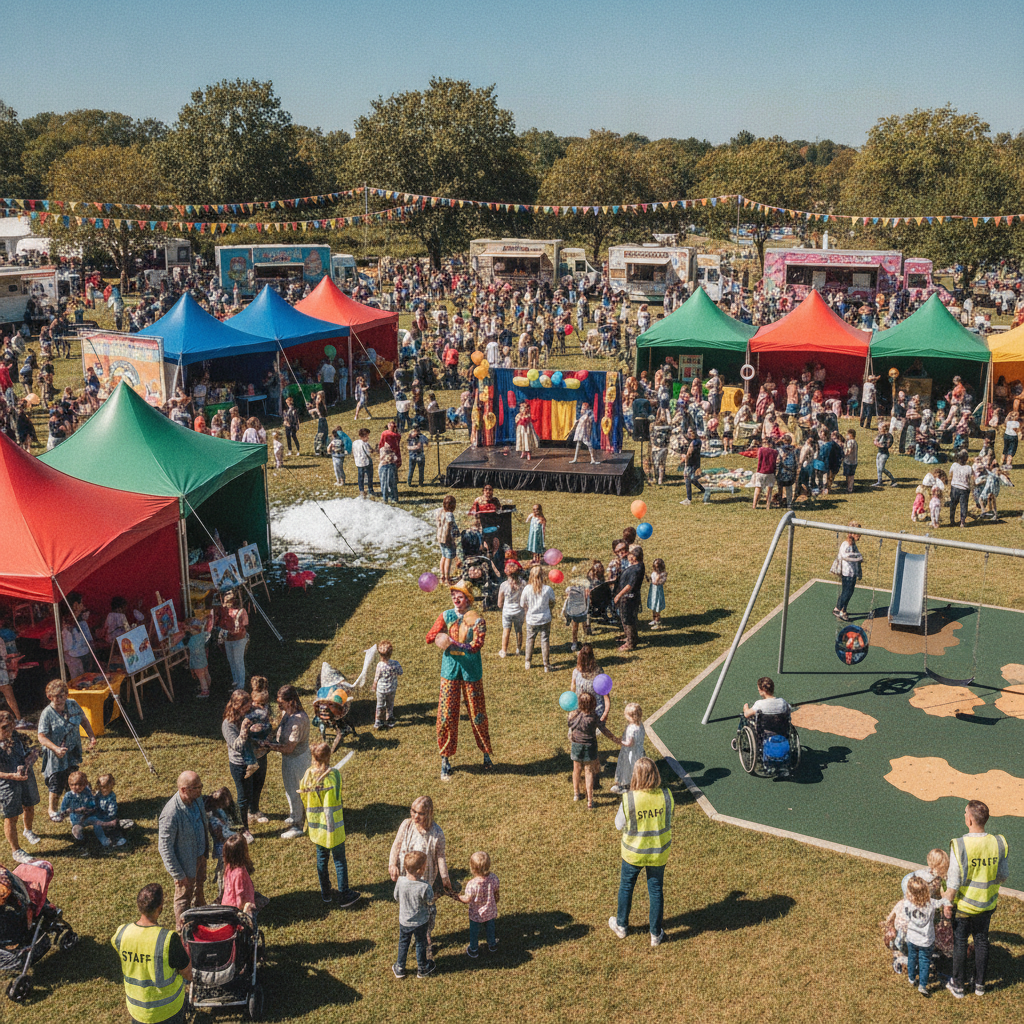
Planning a successful children’s festival requires more than booking entertainment and putting up decorations. A strong event combines an age-appropriate program, a realistic budget, a suitable venue, trained staff, clear communication, and careful child safeguarding. This step-by-step guide takes you from the first idea to the final evaluation.
1. Define the Festival’s Purpose, Audience, and Theme
Start by defining the children’s festival purpose, target age groups, expected attendance, and festival theme. These decisions shape every later choice, from activity design and venue size to staffing and marketing.
Write a short event brief before contacting vendors. It should answer four questions:
- What is the festival trying to achieve: community connection, fundraising, learning, celebration, or family recreation?
- Who will attend, and which target age groups will you serve?
- How many children and accompanying adults do you expect?
- What should families remember when they leave?
Age matters. Toddlers need short, sensory-friendly activities, shaded rest areas, and close supervision. Children aged five to eight may enjoy crafts, simple science demonstrations, storytelling, and low-risk physical games. Older children may prefer team challenges, creative workshops, performances, or problem-solving activities. If the audience spans several age groups, plan separate zones rather than making every activity serve everyone.
A festival theme gives the event a clear identity. Ideas such as Adventure Around the World, Little Inventors, or Nature Explorers can guide decorations, costumes, workshops, signage, and promotional language. Keep the theme flexible enough to support children with different interests and abilities. Estimate attendance using previous events, local population data, registration interest, and venue capacity. Never promote unlimited access before confirming that the site can safely handle the crowd.
2. Build a Practical Budget and Planning Timeline
Create the budget and event planning timeline together. A budget shows what the festival can afford, while the timeline identifies when money, permissions, suppliers, and people must be secured.
List costs under clear categories:
- Venue hire, permits, insurance, security, and cleaning
- Entertainment, performers, workshop leaders, and activity materials
- Tables, tents, seating, barriers, generators, signage, and accessible equipment
- First aid, safeguarding measures, sanitation, drinking water, and waste collection
- Marketing, printing, registration technology, payment processing, and contingency funds
Reserve a contingency of around 10% to 15% for price changes, replacement supplies, weather adaptations, or urgent repairs. Funding can come from ticket income, grants, local business sponsorships, nonprofit partners, vendor fees, or donations. Sponsorship should support the family experience rather than overwhelm it with advertising.
A useful planning timeline looks like this:
- Six to nine months before: confirm purpose, audience, theme, provisional date, budget, venue shortlist, and funding plan.
- Three to five months before: book the venue and key suppliers, apply for permissions, confirm insurance needs, and open volunteer recruitment.
- Six to ten weeks before: finalize the activity program, launch marketing, arrange equipment, and create safeguarding and emergency procedures.
- Two to four weeks before: confirm registrations, staff shifts, vendor arrival times, signage, accessibility arrangements, and weather plans.
- Event week: conduct a site walk-through, issue the final briefing, prepare supplies, and confirm every contact number.
For a small school or community festival, three to four months may be enough. A large public event needs more lead time because permissions, contractors, traffic management, and supplier availability add complexity.
3. Choose and Prepare a Safe, Suitable Venue
Choose a venue that matches expected attendance, accessibility needs, activity requirements, and emergency conditions. The prettiest location is not automatically the safest or most practical one.
Inspect potential venues at the same time of day as the planned festival if possible. Check capacity, entrances, exits, lighting, flooring, shade, water access, restrooms, parking, public transport, and space for emergency vehicles. Ask whether the venue already has permission for public gatherings and what additional approvals are required locally.
Accessibility should be designed into the layout. Provide step-free routes, accessible toilets where available, seating for children and adults who need breaks, clear signs, and activities that do not require every participant to stand, run, or use fine motor skills. Consider noise levels and create a quiet space away from speakers and crowded pathways.
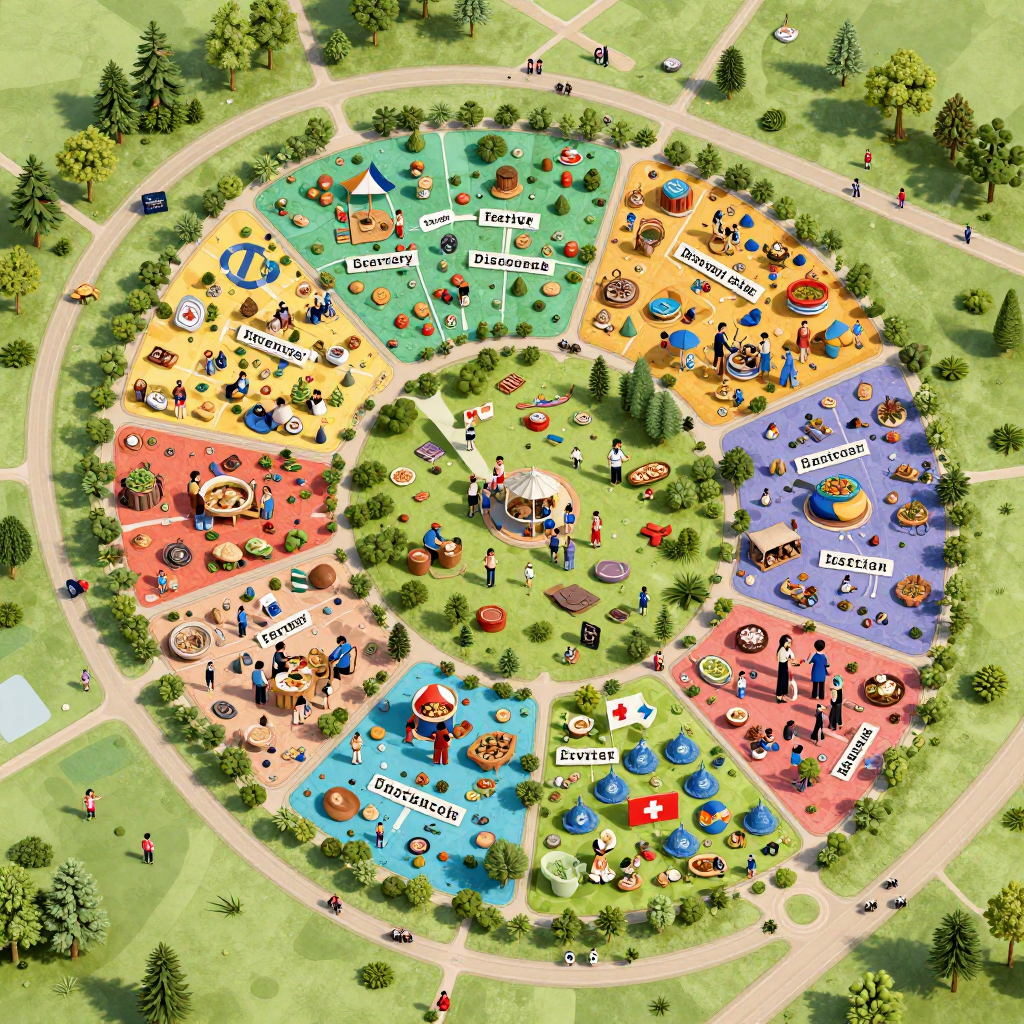
Draw a simple site map showing:
- Entrance, registration, information, and exit points
- Activity zones, performance areas, food vendors, and rest areas
- First-aid station, lost-child meeting point, staff base, and emergency exits
- Toilets, handwashing facilities, drinking water, bins, parking, and accessible routes
Plan for weather from the beginning. Outdoor festivals may need marquees, shade, sunscreen reminders, drinking stations, rain covers, or an indoor relocation plan. Define the decision point for postponement or cancellation, who makes that decision, and how families will be notified. A weather backup that exists only on paper will not help on the day.
4. Design an Engaging Program of Activities
Build the program around varied, age-appropriate activity zones with clear supervision and manageable movement between them. A balanced children’s festival offers active play, creative work, learning, entertainment, and places to pause.
Use a simple planning framework called the four-zone balance:
- Make: crafts, building, painting, cooking demonstrations, or costume creation
- Move: obstacle courses, dance, games, sports skills, or supervised inflatables
- Discover: science, nature, books, cultural activities, or hands-on demonstrations
- Recharge: quiet reading, sensory play, baby areas, shade, seating, and refreshments
Schedule popular activities in repeated sessions rather than offering them once. This reduces queues and gives late arrivals a fair opportunity to participate. Limit workshops to a safe capacity, display approximate durations, and provide alternatives when an activity fills up. Avoid a program that depends entirely on one headline performer; if that person is delayed, the whole event should not stall.
Review each activity using three questions: Is it suitable for the intended age? Can staff explain and supervise it safely? Can a child with different physical, sensory, or communication needs take part? Adapt materials, instructions, and participation methods where practical.
Food areas also need planning. Label allergens clearly, keep serving areas separate from messy activities, provide water, and include options for common dietary needs. Entertainment should allow children to watch from different distances, with seating and escape routes for those who find crowds or loud sounds difficult.
5. Organize Staff, Volunteers, Vendors, and Safety Procedures
Assign one accountable person to every major responsibility and document child safety procedures before event day. Clear ownership prevents small problems from becoming confusing, delayed decisions.
Prepare an organization chart covering the event lead, activity coordinators, registration team, vendor liaison, facilities lead, first-aid contact, safeguarding lead, communications lead, and cleanup team. Volunteers should receive written role descriptions, arrival times, break arrangements, and escalation instructions. Do not place an untrained volunteer alone in charge of a high-risk activity or a child-safeguarding concern.
Vendor agreements should confirm setup times, equipment standards, power needs, insurance documents where required, pricing, cancellation terms, waste responsibilities, and emergency contacts. Schedule a briefing so every supplier understands restricted areas, vehicle movement, noise limits, and the festival’s safeguarding expectations.
Core safety procedures should include:
- A visible information point and clearly marked lost-child meeting point
- Controlled entrances and exits, with reasonable crowd-flow monitoring
- First aid provided by appropriately trained personnel and stocked supplies
- Safeguarding guidance covering boundaries, photography, supervision, and reporting concerns
- A system for recording incidents, injuries, missing items, and follow-up actions
- Emergency plans for severe weather, fire, medical incidents, power loss, and overcrowding
Use a child-friendly identification process agreed with families rather than relying on public announcements that reveal personal details. Staff should know exactly whom to contact if a child becomes separated from their accompanying adult. Review local requirements and authoritative guidance, such as the UK government’s safeguarding guidance or the relevant child-protection authority in your country.
6. Promote the Festival and Manage Registration
Promote the children’s festival with clear, family-focused information and use registration to forecast attendance and manage capacity. Families need practical answers before they decide to attend.
Every announcement should state the date, times, venue, age range, ticket or registration process, price, accessibility information, parking or transport details, food arrangements, and what happens in bad weather. Use plain language and show the experience through photographs or short videos from previous events, provided you have appropriate consent.
Combine several outreach channels:
- School newsletters, parent groups, libraries, community centers, and local nonprofits
- Social media posts with a consistent event name, theme, and schedule highlights
- Local newspapers, radio, noticeboards, and community calendars
- Partner promotion through sponsors, performers, activity providers, and family services
Online registration can provide useful estimates, but it should not create unnecessary barriers. Offer a contact method for families who need assistance and explain whether registration guarantees entry or simply helps with planning. If capacity is limited, use timed entry or capped sessions instead of allowing one popular activity to absorb the whole crowd.
Send reminders one week before and again shortly before the festival. Include arrival guidance, recommended clothing, consent or accessibility information, parking changes, weather updates, and a contact number. Protect registration data, collect only what you need, and set a clear retention policy.
7. Run the Event and Evaluate the Results
Run the event from a shared checklist, a reliable communication system, and regular safety checks. The event lead should coordinate the whole site while team leaders manage their own areas.
On event day, confirm these essentials:
- Venue access, power, lighting, toilets, water, signs, barriers, and waste bins
- Staff and volunteer attendance, briefing completion, radios or phone contacts, and break cover
- Activity materials, capacity limits, performer schedules, vendor readiness, and first-aid availability
- Registration desk, welcome information, lost-child process, accessible routes, and quiet space
- Weather conditions, crowd density, emergency exits, and any changing hazards
Use short check-ins during the festival, such as every 60 to 90 minutes. Ask each zone leader about queues, incidents, missing supplies, and children who may need additional support. Keep public announcements calm and limited to useful information. At closing, release families safely, check the site for lost property, supervise vendor departures, remove waste, and document any damage or incidents before everyone leaves.
Evaluation should happen within a few days. Compare attendance and income with the plan, review incidents and queue times, ask families and staff what worked, and note which activities filled quickly or failed to attract attention. A brief feedback form can ask families to rate safety, variety, accessibility, value, and overall enjoyment. Record three decisions for next time: one to repeat, one to improve, and one to remove.
Frequently Asked Questions
How far in advance should you plan a children’s festival?
Plan a small community event at least three to four months ahead and begin six to nine months in advance for a larger public festival. Extra time is needed for venue permissions, sponsorships, suppliers, safeguarding arrangements, and weather contingencies.
What activities are best for a children’s festival?
The best program combines creative, active, educational, and quiet activities suited to different target age groups. Repeat popular sessions, control capacity, and provide accessible alternatives rather than relying on one type of entertainment.
How can you keep children safe at a festival?
Use a suitable venue, controlled entrances, visible staff, clear safeguarding procedures, first aid, a lost-child process, activity supervision, and emergency plans. Brief every volunteer and vendor on who to contact when a concern arises.
What should a children’s festival budget include?
Include venue and permissions, insurance, entertainment, equipment, activity materials, staffing, first aid, sanitation, accessibility, marketing, registration, waste, and a 10% to 15% contingency. Confirm whether vendors provide their own equipment and insurance.
How do you prepare for bad weather?
Arrange covered or indoor alternatives, protect equipment, provide shade and water, monitor forecasts, and set a clear postponement or cancellation procedure. Tell families exactly how and when weather decisions will be communicated.
A successful children’s festival is built through disciplined preparation, not last-minute decoration. Confirm responsibilities, walk through the final checklist, and keep safety, accessibility, and family enjoyment at the center of every decision.