Budget-Friendly Ideas for a Memorable Family Festival

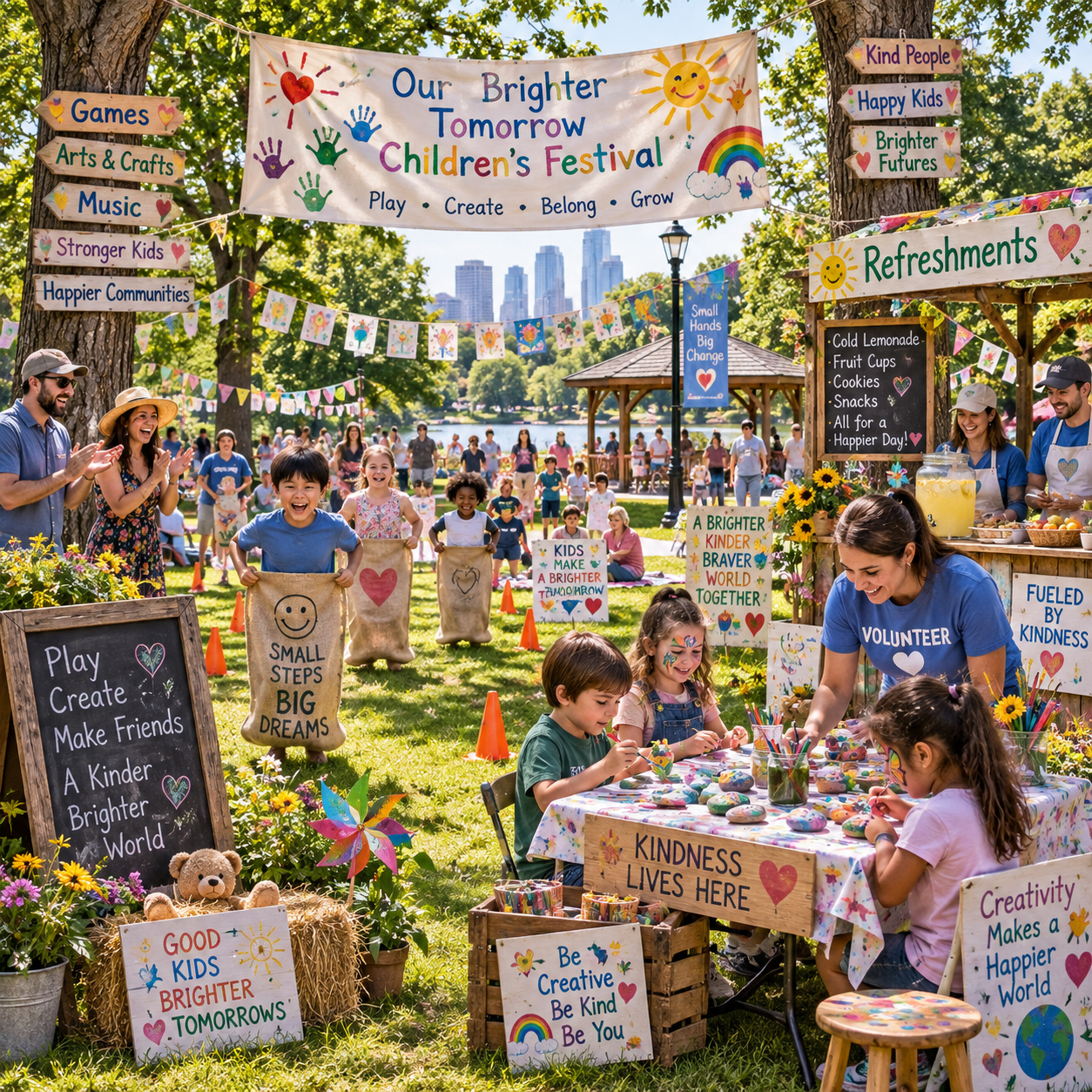
A memorable family festival does not need costly rides or elaborate staging. Children often remember the chance to play, make something, and share a treat with their family. With a clear plan, reusable supplies, and help from the community, a modest event can feel generous and welcoming.
Use these ideas to shape a children’s festival around what your space, team, and budget can support. Start with a few activities that work well, then build in food, comfort, and safety without making the day harder to run than it needs to be.
Start with a Simple Festival Plan
A simple festival plan helps you spend on the parts families will enjoy most. Choose a manageable format, set a spending limit, and prioritize a few reliable activities over a packed schedule.
Begin by deciding who the event is for, how long it will run, and what space is available. A two- or three-hour afternoon in a school yard, park, or community hall may be easier to staff than a full-day festival. Check whether the venue has restrooms, shade, tables, drinking water, and indoor backup space; existing facilities can save money and make the event more comfortable.
Next, list essential expenses before optional extras. Include venue fees, permits if required, basic supplies, food, first aid, and cleanup. Leave a small reserve for unexpected needs, such as replacement craft materials or extra drinking water. If donations or ticket revenue are uncertain, plan the core event so it still works without them.
- Pick three priorities: for example, hands-on activities, a welcoming shared meal, and a local performance.
- Use a simple schedule: keep activities open for much of the event, with one or two timed moments such as a music set or group game.
- Assign an owner to each task: a named person should handle supplies, setup, food, and cleanup.
A short plan also helps prevent a common mistake: paying for attractions before checking what families actually want. Ask a few caregivers or community groups about age ranges, dietary needs, and preferred activities. Their answers can guide spending more effectively than a long list of expensive options.
Choose Low-Cost Activities for All Ages
Low-cost family-friendly activities use simple materials, flexible rules, and options for different ages. Games, crafts, and shared challenges can keep children engaged without requiring costly equipment.
Set up activity stations that families can join at their own pace. Borrow tables and basic supplies from a school, library, or community center, and choose materials that can be reused or recycled. Keep instructions short and display them at each station so volunteers do not have to explain the activity repeatedly.
- Classic games: try a beanbag toss using borrowed buckets, a ring toss made with cardboard tubes, or a low-key scavenger hunt based on things participants can spot around the venue.
- Open-ended crafts: offer paper crowns, simple collage, or drawing with crayons. Use clean scrap paper and donated art materials when suitable.
- Group play: organize a follow-the-leader parade, a family relay with walking options, or a giant story-making circle where each person adds a sentence.
- Quiet corner: provide books, puzzles, or coloring for children who need a calmer break from noise and movement.
For mixed ages, give each activity an easy entry point and an optional challenge. A beanbag game can have a close target for younger children and a farther one for older players. Avoid making every activity a contest; cooperative tasks give siblings and caregivers a way to participate together.
Plan supplies by station rather than buying a large assortment. Put out only what is needed, and assign someone to refill materials and collect reusable pieces. This keeps the area orderly and reduces waste without limiting children’s creativity.
Create a Festive Look on a Budget
DIY decorations can make a familiar space feel like a festival without expensive props. A consistent color theme, handmade signs, and a few well-placed display areas create a clear sense of occasion.
Choose two or three colors and repeat them across signs, table coverings, and craft displays. Children can help make paper bunting, welcome signs, or simple decorations from clean, safe materials. Reuse decorations from school events or borrow washable fabric and display stands from community groups. Store anything worth keeping in labeled boxes so it is ready for another event.
Make the entrance easy to spot with a large welcome sign and a clear path to check-in. Use signs to identify games, crafts, food, restrooms, and quiet areas. Good wayfinding looks intentional and helps families settle in, especially when the venue has several rooms or activity zones.
Keep decorations away from exits, walkways, heaters, and food-preparation areas. Avoid small loose items where toddlers may put them in their mouths, and check that anything hung overhead is secured appropriately. Outdoor events also need a plan for wind or rain; lightweight décor can blow away or become unusable when wet.
Resist the urge to decorate every surface. A few handmade focal points, such as a photo backdrop made from paper streamers or a community art display, often do more than scattered decorations. Simple and coordinated is easier to set up, take down, and reuse.
Keep Food and Refreshments Affordable
Affordable festival food comes from a short, clearly planned menu that suits the event and its guests. Focus on easy-to-serve options, drinking water, and accurate food information rather than offering a large selection.
Before choosing a menu, estimate attendance and ask about allergies or dietary requirements through registration or a community contact. Label dishes clearly, including common allergens when known, and keep foods that need temperature control safely stored and served. Follow local food-safety rules and venue requirements, particularly if volunteers are preparing food on site.
Simple options might include fruit, individually portioned snacks, sandwiches, or a few items from a licensed local food vendor. A potluck can work in some communities, but it needs clear expectations about labeling, transport, and safe handling. If the event is open to the public, donated food should not replace appropriate safety planning.
- Offer free drinking water or make the location of water stations obvious.
- Use washable cups and serving utensils when cleanup and safe washing are practical.
- Choose compostable or recyclable disposables only when the venue can actually process them.
- Ask vendors or donors to confirm quantities and delivery times before the event.
One frequent planning error is ordering food based on a best-case attendance guess. That can leave families short or create avoidable leftovers. Use a realistic headcount, set a response deadline, and have a modest backup such as packaged snacks. A smaller menu is easier to explain, label, and manage.
Find Affordable Entertainment and Support
Local performers, community volunteers, and neighborhood organizations can bring energy to a festival while keeping costs manageable. Ask for specific contributions and agree on practical details before advertising them.
Reach out to school music groups, library storytellers, youth theater clubs, dance classes, community choirs, or local artists. Some may be happy to perform for a community audience, while others may charge a fee or need travel costs covered. Be clear about the event’s budget and ask what they can offer; never assume a performer’s time or equipment is free.
Community volunteers can help run game stations, welcome guests, direct families, manage craft supplies, or support cleanup. Give each volunteer a defined shift and task, plus a short briefing on who to contact with questions. For roles involving children, follow the organization’s safeguarding procedures and any applicable rules for screening or supervision.
Partnerships can also reduce the need to buy equipment. A school might lend tables, a sports club could provide balls, or a neighborhood association may share a gazebo. Confirm who is responsible for transport, setup, damage, and return dates. Borrowing saves money only when the arrangement is organized.
Keep a simple contact sheet and setup checklist. When people know where to be and what they are bringing, goodwill turns into dependable support rather than last-minute uncertainty. Thank contributors publicly after the event, and let them know how their help made the day possible.
Make the Festival Welcoming, Safe, and Memorable
A welcoming family festival plans for different ages, abilities, and comfort needs from the start. Clear routes, basic safety measures, and small opportunities for families to participate together help more people enjoy the event.
Check the venue for step-free access where possible, accessible restrooms, firm walking surfaces, and seating near activity areas. Keep pathways clear for strollers and mobility devices. Offer a quieter place away from loud music, and make sure signs are readable and easy to follow. If a feature cannot be made accessible, explain the limitation honestly and consider an alternative way to join in.
For safety, identify who is responsible for first aid, lost-child procedures, weather decisions, and emergency communication. Keep exits and vehicle routes clear, secure equipment, and provide shade or indoor shelter when conditions call for it. Follow venue guidance and local requirements; a low-cost event still needs appropriate supervision and preparation.
Comfort matters, too. Provide places to sit, drinking water, waste bins, and a schedule that leaves room for breaks. For outdoor events, tell families what to bring and what happens if weather changes. Small details can prevent avoidable stress for caregivers and children.
To make memories without expensive keepsakes, invite families to add a drawing or message to a shared festival mural, take photos at a simple handmade backdrop with permission, or create a community thank-you board. The most meaningful souvenir may be a story about something a child made or tried. Keep the day flexible enough for families to enjoy it in their own way.
Frequently Asked Questions
What are some inexpensive activities for a children’s festival? Try beanbag toss, a scavenger hunt, simple crafts, coloring, cooperative relays, and group storytelling. Use borrowed equipment and offer different difficulty levels so children of varying ages can take part.
How can a family festival feel special with simple decorations? Repeat a small color palette across handmade signs, bunting, and activity tables. A clear welcome area or community art display can create a festive focal point without elaborate setup.
What are affordable food options for a community festival? Consider a short menu of fruit, packaged snacks, sandwiches, or food from a local vendor. Plan quantities from a realistic headcount, label items, and follow applicable food-safety rules.
How can volunteers help reduce festival costs? Volunteers can support setup, check-in, activity stations, wayfinding, and cleanup. Clear roles and shifts make their contribution useful, while borrowed supplies and community partnerships can reduce purchases.